

Take a look at a drop of honey in the sunlight and notice how it shines like a grain of amber in time, which has kept a story from the beginning of creation. Isn’t that wonderful? For those of you who don’t know…
In This Article You Will Find:
The Short Story of How Honey Is Made
On working days, the bees return to the hive with nectar in the goiters. In the sheer darkness of the hive, each drop of this precious matter is worked together. The nectar is passed from one bee to another. This way the nectar loses some of its water and gets loaded with enzymes, lactobacilli, a little pollen, and protein. Then it is slowly turned into honey.
The 2 Main Types of Honey
When the nectar is harvested from different types of flowers, results in polyfloral honey, or wildflower honey. Monofloral honey (honey made from the nectar of only 1 type of flower) is obtained from the nectar of a predominant type of flower, for example, acacia, sunflower, thyme, etc. The monofloral honey varieties have the general properties of wildflower honey but in addition, each has certain particular properties and health benefits, depending on the predominant flower nectar.
All types of honey are both foods as well as medicine.
We will present to you here the most popular 9 types of honey and their health benefits separately, so you know how you can use them, not just as food, but also as medicine. Yes, honey is medicine. So let’s begin.
9 Types of Honey and Their Health Benefits
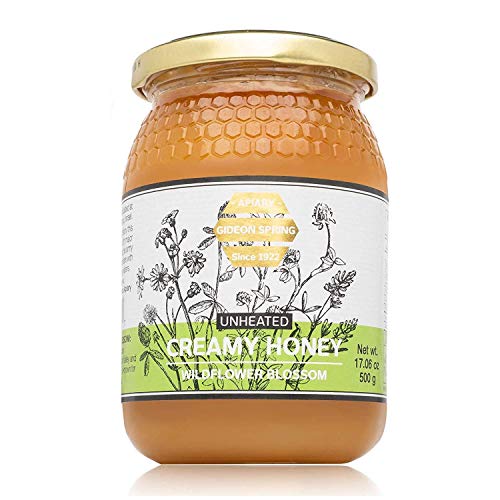
9. Poyfloral Honey
The Beehive Panacea
Polyfloral honey is one of the most popular types of honey in the world. It has a high energy value, due to the high content of quality sugars, so it is indicated in overwork, physical or intellectual fatigue, weakness, convalescence, and growth disorders. Due to its complex composition of vitamins and minerals, as well as its vital load, this honey is much more nutritious than refined sugar. Polyfloral honey (also known as wildflower honey) has many medicinal properties. It is anti-inflammatory, antimicrobial, anti-allergic, expectorant, antitussive, and has antispasmodic action.
Health Benefits of Polyfloral Honey for Children
In infants, wildflower honey facilitates the acidification of milk casein, forming fine flakes that are easy to digest. More so, the stomach is evacuated in a shorter time, preventing fermentation, bloating, and abdominal colic in babies.
A great injustice was done to honey, several years ago, when it was recommended not to give it to children under 1 year of age, on the grounds that it could cause botulism. The whole discussion started from a single case of botulism encountered in an infant, when it was considered, without clear evidence, that the disease was transmitted by spores of bacilli accidentally found in honey.
But botulinum spores are found everywhere, in dust particles, and in every environment, there are tons of these spores. Babies crawl on the floor, and the spores adhere to their hands or toys, from where they can be ingested. Although most are exposed, very few babies actually get botulism.
Health Benefits of Polyfloral Honey
- improves diuresis and elimination of toxins
- increases the body’s defense capacity
- has a favorable action on the heart muscle and coronary circulation
- nourishes and strengthens the nervous system
- improves sleep
- tones and regulates the activity of the endocrine system
- fights constipation and putrid phenomena in the intestines
- increases liver glycogen stores
- improves liver cell function
- promotes the absorption of calcium and other nutrients
- facilitates the digestion of proteins and fats
8. Acacia Honey
Good for Diabetes
This type of honey is white-yellow in color, fragrant, and clear. It has a lot of finesse and discretion, which makes it a much-appreciated honey variety by children. You can use it to sweeten food and teas, without distorting their taste. Acacia is one of the best types of honey because it has a pale taste, but a lot of sweetness. Acacia honey is low in glucose and rich in fructose, which makes it crystallize very slowly.
It is usually considered to remain fluid for up to a year, but if it is pure, it may not crystallize for several years. Due to its low glucose content, it can also be consumed in moderation by diabetic patients. 1-3 teaspoons per day are allowed. In patients with diabetes (especially type 2), honey in small amounts on an empty stomach can lower and stabilize blood sugar.
Older prospective experiments were performed on groups of people, some of whom consumed only sugar as a sweetener, and others consumed only honey. After several years, it has been observed that those who consume sugar have the same usual rates of diabetes, but those who consume acacia honey alone do not get diabetes.
At The Tor Vergata University, in Rome, Prof. Antonella Canini and her team are studying the antitumoral properties of honey. It was found that acacia honey in a dilution of 1/40, exerts, within 24 hours of treatment, a cellular inhibitory effect of 35-45%, on cell cultures of bovine melanoma.
Health Benefits of Acacia Honey
- natural expectorant
- cough reliever
- diuretic
- antidiarrheal
- bowel regulator
- good for gastric distress
- asthenia
- neurosis
No products found.
7. Linden Honey
Natural Medicine for Colds
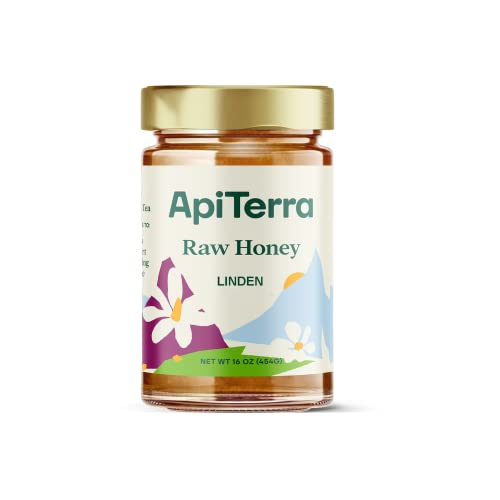
Light in color and with greenish reflections, linden honey crystallizes easily, especially if it is kept in a cold place. Contains trace elements such as potassium, calcium, and manganese. It is highly sought after by importers from all over Western Europe, due to its special qualities. Linden honey is one of the most popular types of honey, due to its strong honey-y taste.
It is recommended as a remedy against fatigue and stress and is used as a sedative for the nervous system to prevent insomnia and migraine. Linden honey has anti-microbial, anti-inflammatory properties that help dissolve mucus. This makes it useful in treating colds, laryngitis, bronchitis, asthma, coughs, and sore throats. Linden honey is also very effective against cramps, stomach pain, as well as kidney or gallbladder disease.
Health Benefits of Linden Honey
- anti-microbial
- anti-inflammatory
- remedy against fatigue and stress
- sedative for the nervous system
- insomnia and migraine prevention
- dissolves mucus
- colds
- laryngitis
- bronchitis
- asthma
- coughs
- sore throats
- cramps & stomach pain
- kidney disease
- gallbladder illness
6. Honeydew Honey
A Mineral-Rich Powerhouse
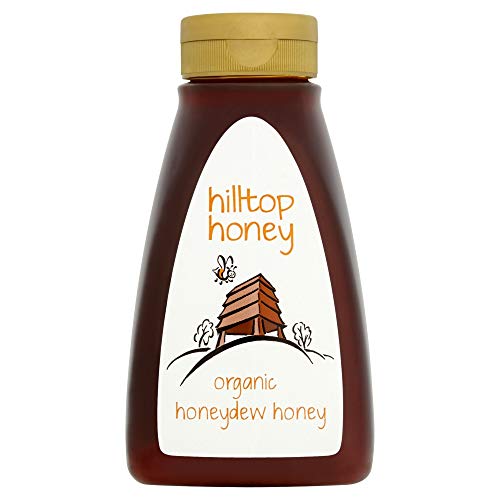
Dark brown in color, honeydew honey is up to 20 times richer in minerals (Ca, Mg, Fe) compared to other honey varieties. It also contains many proteins and amino acids. That is why is recommended especially for children, anemic people, and those going through convalescence. Due to its natural energizing and revitalizing properties, this type of honey is recommended for athletes and active people. It has much stronger laxative properties than other types of honey and promotes the elimination of toxins from the body. At the same time, it has important antibacterial properties.
Health Benefits of Honeydew Honey
- natural energizer
- powerful laxative
- natural detox
- antibacterial properties
- anemia
- convalescence
- immune booster
5. Rape Honey
For Strong Bones
Whitish to light yellow in color, rape honey is rich in glucose, which makes it crystallize quickly, even in the first two weeks post-extraction. Rape honey contains trace elements, especially calcium and boron. Amongst the types of honey, rape honey is less sweet than acacia honey, yet creamy, emollient, and pleasant tasting. It is easily digestible, strongly anti-bacterial, and very good for the heart. Rape oil contains the enzyme Q3, much needed for healthy bones. For the same reason, rapeseed honey can be used as an adjuvant in the treatment of osteoporosis.
Health Benefits of Rape Honey
- antibacterial
- supports heart health
- osteoporosis
- bone problems
No products found.
4. Wild Thyme Honey
The Natural Antibiotic
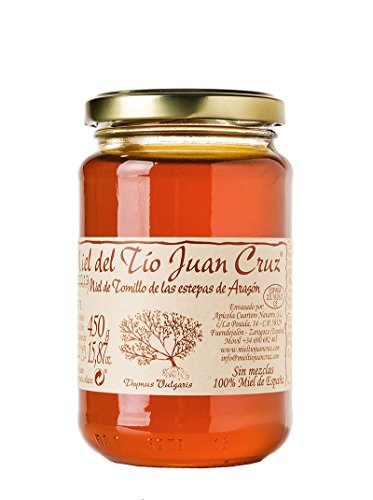
With a beautiful light golden color, wild thyme honey has a pleasant and intense aroma and is rich in copper and boron. Due to the antiseptic properties of the volatile thyme oils, this honey can be used externally in purulent wounds and other skin infections. Administered internally, it has expectorant and calming properties for the airway, which is why wild thyme honey is recommended in the treatment of cough, both convulsive or asthmatic, bronchitis, colds, and hoarseness. Thyme honey improves the functioning of the liver and kidneys, can activate circulation, and is used as a tonic in case of anemia.
Health Benefits of Wild Thyme Honey
- antibacterial
- antiseptic
- expectorant
- airways relief
- cough
- bronchitis
- colds
- hoarseness
- anemia
- liver toner
- kidneys toner
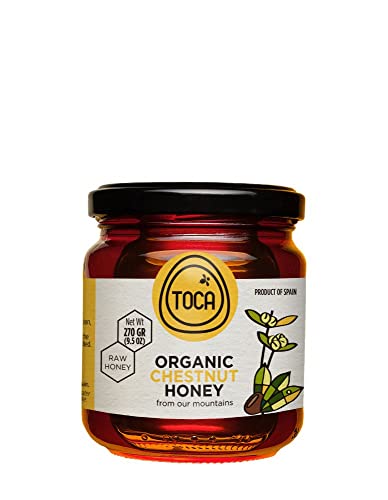
3. Chestnut Honey
Good for Circulation
Chestnut honey is richer in fructose than glucose, which makes it stay fluid for a long time. It has a pleasant, sweet-bitter taste. It is rich in trace elements, especially potassium, magnesium, manganese, and barium. Like acacia honey, chestnut honey can be used as a sweetener by diabetics. This delicious honey improves blood circulation, especially veins health. Chestnut honey has amazing healing properties.
Health Benefits of Chestnut Honey
- good for diabetes patients
- improves blood circulation
- veins health
- scarring/healing properties
2. Raspberry Honey
Supports Women’s Health
Raspberry honey has a discreet raspberry aroma, with a fresh scent and pleasant taste. It is recommended for sweetening herbal teas used as a remedy for flu, cough, and colds. This delicious honey particularly regulates the activity of the ovaries and prevents diseases such as osteoporosis. Raspberry honey is also known for rejuvenating the skin.
Health Benefits of Raspberry Honey
- cold and flu
- cough
- regulates the ovaries
- adjuvant for osteoporosis
- natural skin anti-aging

1. Fir Honey
Lungs and UT antiseptic
Fir honey is a very special variety of honeydew honey, with a special flavor, a little sweet, and very tasty. This honey is very rare and is very popular in Greece and the Balkan region. This is one of the most intense, dark-colored types of honey. Fir honey has antiseptic and anti-inflammatory actions, both for the respiratory system as well as for the urinary tract. It is also great for anemia and is a powerful natural diuretic. Fir honey contains a great load of trace elements, including phosphorus, potassium, calcium, sulfur, magnesium, zinc, boron, iron, and copper. This honey is delicious natural medicine.
Health Benefits of Fir Honey:
- antiseptic
- anti-inflammatory
- supports respiratory system health
- great against UTIs
- anemia
- natural diuretic

Other Rare Honey Types & Their Health Benefits
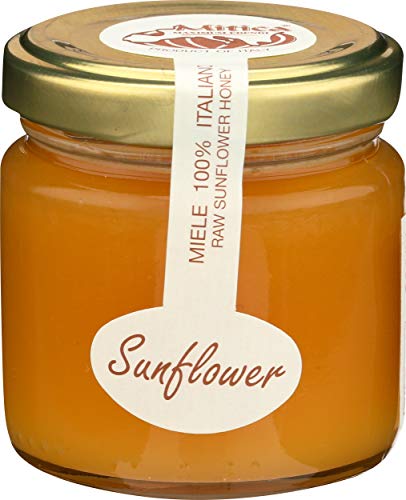
Sunflower Honey
This honey has a beautiful golden color and a pleasant taste. It contains a lot of glucose, which makes it form large and irregular crystals. It is useful in the treatment of atherosclerosis and has powerful anti-bacterial properties. Sunflower honey is used as an adjunct in the treatment of bronchitis and stomach diseases.
Coriander Honey
This rare honey has a light color and a very soft scent, which is still perceived two weeks after extraction after the initial, unpleasant smell disappears. It is indicated in hyperacid gastritis and stomach ulcers.

Mint Honey
This delicious honey has the aroma of mint and pasty consistency. Mint honey facilitates good digestion, is a natural tonic, antispasmodic, and fights bloating. It is recommended in biliary dyskinesia, as a gastric sedative and natural analgesic. Mint honey is also used as an antitussive, bronchodilator. It is very rich in vitamin C.
Honey is One of The Best Natural Antibiotics
Today, we anxiously talk about the end of the synthetic antibiotics era because they can no longer cope with the increased resistance of microbes. This is the perfect time to take a step back and remember that honey is one of the strongest natural antibiotics.
A powerful natural antibiotic combo is honey, propolis & essential oils.
The natural variability of the composition of these natural products ensures their adaptation to the worrying changes in pathogens. There is no mention of microbial epidemics in plants, bees, or animals that live in untouched natural areas. There, plants secrete the substances that keep germs under control: resins protect the tree buds and young shoots, while volatile oils protect the plants and clean the surrounding air.
Wild and domestic animals that eat natural foods are healthy.
Bees collect nectar or sap for honey from plants, and resins for propolis and use them to keep their hive cleansed and healthy. We can choose to regain our health by using more bee products. It is in our power to be wise, to live beautifully, in harmony with plants and bees, our old companions since the beginning of times.
Hope you enjoyed our delicious and healthy types of honey countdown and learned something new about this miraculous natural elixir. If you’re into healthy eating and living, we also recommend that you read our article about the best alternatives for sugar that are actually healthy. Hint: honey is one of them.
Share on Pinterest ❤️
