A stressed-out marketing manager discovered that sometimes the oldest remedies hold surprising modern truths. Does crystal healing work? Stay tuned and find out.
In This Article You Will Find:
The Breaking Point That Led Me to Crystals
Last September, I found myself sitting in my therapist’s waiting room for the third time that week. My anxiety had reached an all-time high, work stress was consuming my life, and the $150-per-session fees were draining my savings account faster than my morning latte habit. Don’t get me wrong—therapy had been incredibly helpful for processing past trauma and understanding my patterns. But after two years of weekly sessions, I felt like I was stuck in an expensive loop of talking about the same issues without finding new ways to cope day-to-day.
That’s when my colleague Sarah mentioned her experience with crystal healing. I’ll admit, I rolled my eyes so hard I probably saw my brain. Crystals? Really? But Sarah wasn’t some new-age stereotype—she was our company’s most pragmatic financial analyst. When she explained how she’d been using specific crystals for stress management and actually felt a difference, my curiosity won over my skepticism.
“Just try it for a month,” she suggested. “What’s the worst that could happen?”
So I did. I paused my therapy sessions (with my therapist’s blessing—please don’t quit therapy without discussing it with your provider first!) and dove into the world of crystal healing for 30 days. What I discovered surprised me more than finding out my favorite coffee shop had been spelling my name wrong for three years.
Week 1: The Skeptic’s Shopping Spree
My crystal journey began at a local metaphysical shop that smelled like sage and possibility. The owner, Marina, a soft-spoken woman in her sixties with knowing eyes, didn’t try to oversell me on mystical promises. Instead, she asked about my specific challenges and helped me select five starter crystals based on traditional uses:
- Amethyst – for anxiety and sleep issues ($12)
- Rose Quartz – for self-love and emotional healing ($8)
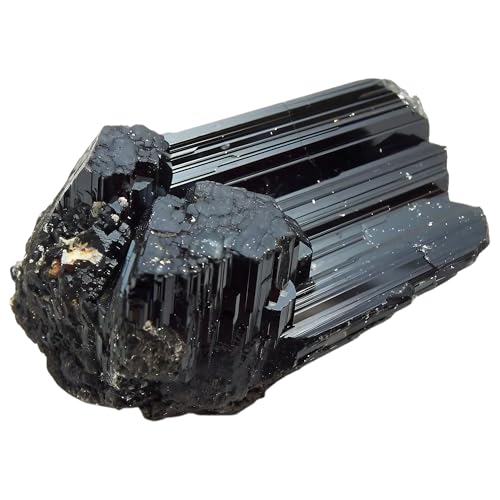
- Black Tourmaline – for protection from negative energy ($6)
- Clear Quartz – for clarity and amplifying other crystals’ properties ($6)
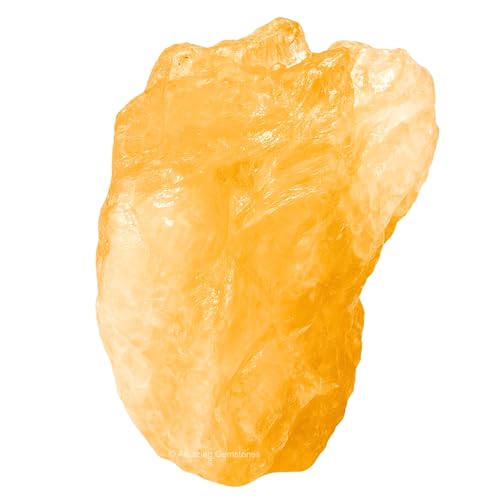
- Citrine – for confidence and motivation ($10)
- Total investment: $40 – less than half of one therapy session.
Marina showed me how to “cleanse” the crystals using sage smoke and moonlight (yes, I felt ridiculous leaving rocks on my windowsill overnight), and suggested I start by simply holding them during meditation or keeping them nearby throughout the day.
The first three days felt silly. I carried Black Tourmaline in my pocket to a stressful meeting and felt… exactly the same. My Amethyst sat on my nightstand looking pretty but seemingly useless. I was ready to call the experiment a failure.
But then something shifted on day four. Not the crystals—my approach.



The Mindfulness Connection I Didn’t Expect
Instead of waiting for the crystals to magically fix my problems, I started using them as mindfulness anchors. When I felt anxiety creeping in, I’d hold the smooth Rose Quartz in my palm, focusing on its coolness and weight. This simple act created a pause—a moment to breathe and ground myself before reacting.
It reminded me of a technique my therapist had taught called “grounding through sensory experience,” but somehow the crystal made it more tangible and accessible. I didn’t need to remember a complex breathing pattern or visualization. I just needed to reach for the stone in my pocket.
By the end of week one, I’d developed a morning ritual: five minutes holding Clear Quartz while setting intentions for the day. Was the crystal channeling cosmic energy? Probably not. Was the ritual helping me start each day with clarity and purpose? Absolutely.
Week 2: Building a Practice That Actually Worked
Encouraged by the unexpected mindfulness benefits, I expanded my crystal practice. I researched the historical use of crystals in various cultures—from ancient Egyptians using Lapis Lazuli for wisdom to Chinese medicine incorporating crystal healing into traditional practices. Understanding the cultural context made me appreciate that I was tapping into something humans have found valuable for millennia, whether for placebo effects or something more.
I created three daily crystal practices:
- Morning Meditation (10 minutes): Holding Citrine while visualizing my goals for the day. The warm, golden stone became associated with possibility and energy in my mind.
- Afternoon Reset (5 minutes): When post-lunch anxiety typically hit, I’d excuse myself to the bathroom and spend a few minutes with Black Tourmaline, imagining it absorbing my stress. Sure, it was probably just the break itself that helped, but the ritual made taking that break feel purposeful rather than like procrastination.
- Evening Wind-Down (15 minutes): I’d lie down with Amethyst on my forehead (the “third eye” position, according to crystal healing traditions) while doing a body scan meditation. The cool weight of the stone helped me focus on the present instead of replaying the day’s stresses.
These weren’t replacing the deep work I’d done in therapy—understanding my childhood patterns, processing grief, working through relationship issues. But they were giving me practical, in-the-moment tools for managing daily stress that therapy hadn’t quite provided.
The Science Behind the “Woo-Woo”
Curious about why I was experiencing genuine benefits, I dove into research. While there’s no scientific evidence that crystals emit healing vibrations or energy fields, there are several evidence-based explanations for why crystal healing might work:
- The Placebo Effect: Studies show that believing something will help can create real physiological changes. A 2005 study found that placebo treatments can trigger the release of endorphins and activate brain regions associated with pain relief and emotional regulation.
- Mindfulness and Meditation: The acts of focusing on crystals, setting intentions, and creating rituals are all proven mindfulness practices. A 2014 study found that meditation programs can reduce anxiety, depression, and pain.
- The Power of Ritual: Anthropologists have long documented how rituals—even secular ones—can reduce anxiety and increase confidence. Francesca Gino and Michael Norton’s research at Harvard Business School showed that people who performed rituals before stressful tasks experienced less anxiety and performed better.
- Sensory Grounding: Physical objects like crystals can serve as grounding tools, similar to worry stones or prayer beads used across cultures. The tactile experience activates the parasympathetic nervous system, promoting calm.
Understanding these mechanisms didn’t diminish my experience—it enhanced it. I wasn’t buying into pseudoscience; I was using crystals as tools for evidence-based practices like mindfulness and ritual.

Week 3: Unexpected Social Benefits
Something interesting happened when I mentioned my crystal experiment to friends. Instead of mockery, I received curiosity and even enthusiasm. Three friends asked to join me for a “crystal meditation session,” which turned into a weekly gathering where we’d spend an hour talking about our challenges, setting intentions, and supporting each other—all while holding various crystals.
This informal support group became unexpectedly powerful. We were essentially doing group therapy without calling it that, using crystals as a non-threatening entry point for vulnerable conversations. My friend Jessica, who’d always insisted she “wasn’t a therapy person,” opened up about her work burnout while clutching a piece of Sodalite. Another friend, Marcus, used a Tiger’s Eye stone as a talking stick of sorts, feeling more confident sharing when holding it.
The crystals had become social permission slips—objects that somehow made it okay to be vulnerable, to admit struggle, to seek support. They transformed self-care from a solitary practice into a communal one.
Week 4: Integration and Realistic Expectations
By the final week, I’d found my rhythm. I wasn’t expecting crystals to cure my anxiety or replace professional mental health support entirely. Instead, they’d become part of my wellness toolkit—like yoga, journaling, or taking walks.
I experimented with different combinations and situations:
- Selenite on my desk during virtual meetings helped me feel more centered (or at least gave me something calming to look at during boring presentations)
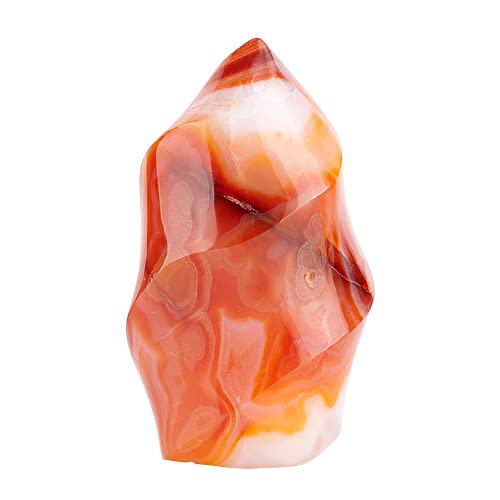
- Carnelian in my gym bag became part of my pre-workout ritual, a physical reminder of my strength and capability
- Lepidolite by my bedside replaced my phone as the last thing I touched before sleep, its lilac color and smooth surface far more soothing than Instagram’s endless scroll
I also learned what didn’t work. Carrying seven different crystals in my purse just made my bag heavy. Trying to match specific crystals to specific chakras felt forced and distracted from the simple benefits I was experiencing. And no amount of Rose Quartz was going to fix my dating life—that still required actual effort and probably eventual therapy.
The Surprising Financial Side Effect
Here’s something I didn’t expect: the financial relief was significant. Over 30 days, I spent approximately $200 on crystals and related supplies (including a singing bowl I definitely didn’t need but absolutely wanted). Compare that to the $600 I would have spent on four therapy sessions, and I’d saved $400.
But more importantly, the crystals were a one-time purchase.
Once I had my collection, the ongoing cost was zero. While I absolutely planned to return to therapy periodically for deeper work, having these tools for daily management meant I could space out sessions to monthly rather than weekly, making mental health support more financially sustainable.

What My Therapist Said
At the end of my 30-day experiment, I scheduled a check-in with my therapist, Dr. Rahman. I was nervous about her reaction—would she think I’d gone off the deep end?
Instead, she was fascinated and supportive. “What you’ve discovered,” she said, “is the importance of somatic practices and ritual in managing anxiety. Whether you’re using crystals, prayer beads, or a lucky penny, having physical anchors for emotional regulation is incredibly valuable.”
She pointed out that I’d essentially created my own Dialectical Behavior Therapy (DBT) distress tolerance toolkit, using crystals as tangible reminders of coping strategies. We agreed on a new approach: monthly therapy sessions for processing and guidance, with daily crystal practices for in-the-moment management.
The Integration: How I Use Both Now
Six months later, I’ve found my balance. Therapy remains invaluable for understanding patterns, processing complex emotions, and having professional support during difficult times. But crystal healing has become my daily practice for managing stress, staying grounded, and maintaining emotional equilibrium.
My current routine includes:
- Monthly therapy sessions for deep work and professional guidance
- Daily crystal meditation for centering and intention-setting
- Pocket stones for in-the-moment anxiety management
- Weekly crystal circles with friends for community support
- Seasonal crystal “updates” where I intuitively choose new stones based on current challenges
This integrated approach costs less than therapy alone while providing more comprehensive support. It’s not either/or—it’s both/and.

For the Skeptics (I See You, I Was You)
If you’re reading this with skepticism, I get it. Six months ago, I would have dismissed this entire article as wishful thinking. But here’s what I’d say to my past self:
You don’t have to believe in crystal energy or chakras or vibrations. Think of crystals as beautiful, portable reminders to pause, breathe, and check in with yourself. They’re tools for mindfulness, anchors for ritual, and permission slips for self-care.
The magic isn’t in the stones—it’s in the practice of paying attention to your mental health, creating rituals that serve you, and finding what works for your unique brain and life.
A Note on Mental Health
This is crucial: crystal healing should not replace professional mental health treatment for serious conditions. If you’re dealing with clinical depression, severe anxiety, trauma, or any mental health crisis, please seek professional help. Crystals can be a complementary practice, not a replacement for medication or therapy when those are needed.
What crystals can offer is an accessible, affordable tool for daily emotional management and mindfulness. They’re particularly valuable for those who find traditional meditation difficult, need tangible anchors for abstract concepts, or want to supplement their existing mental health practices.
Your Own 30-Day Experiment
If you’re curious about trying crystal healing, here’s my advice for your own 30-day experiment:
- Start small: Choose 2-3 crystals that resonate with your current challenges
- Create simple rituals: Five minutes in the morning or evening is enough
- Stay curious, not dogmatic: Notice what works without forcing belief
- Document your experience: Keep a simple journal of how you feel
- Find your community: Share your experience with open-minded friends
- Maintain professional support: Don’t abandon existing mental health treatment
- Trust your experience: If it helps you, that’s what matters

The Unexpected Truth About Ancient Wisdom
What started as a desperate attempt to save money on therapy became a profound lesson in the value of ancient practices in modern life. Our ancestors weren’t naive for using crystals, rituals, and intentional practices for emotional wellbeing. They were onto something fundamental about human psychology—we need tangible anchors for intangible experiences, rituals for processing emotions, and beautiful objects that remind us to tend to our inner lives.
Crystal healing works not because stones emit magical frequencies, but because the practice of using them creates space for mindfulness, ritual, and self-care in our chaotic modern lives. It’s a 5,000-year-old technology for emotional regulation that happens to be perfectly suited for our contemporary struggles with anxiety, disconnection, and digital overwhelm.
My collection of crystals now sits on my dresser—not as mystical cure-alls, but as beautiful reminders of my commitment to mental health, daily practices that ground me, and the surprising wisdom found in approaching wellness with both ancient practices and modern understanding.
Read Also: What Happens to Your Body If You Meditate Just 5 Minutes a Day
Would I recommend replacing therapy with crystals? No. Would I recommend adding crystal healing to your mental health toolkit? Absolutely. Sometimes the most powerful healing comes from the perfect combination of professional support and personal practice, modern psychology and ancient wisdom, science and a little bit of magic—even if that magic is just the power of believing we deserve to feel better.
Have you tried alternative healing practices alongside traditional therapy? I’d love to hear about your experience. Because if there’s one thing I’ve learned, it’s that healing looks different for everyone, and sometimes the most unexpected approaches lead to the most profound transformations.
Share on Pinterest ❤️