

Want to learn how to get rid of dust forever? Continue reading this article and find out everything you need to know about dust control.
You’ve just spent your entire Saturday cleaning. Every surface gleams, every corner sparkles, and that satisfying scent of cleanliness permeates your home. You collapse onto the sofa, admiring your handiwork, only to notice it—a thin layer of dust already settling on your coffee table, catching the afternoon sunlight like a silent mockery of your efforts.
Sound familiar?
The battle against household dust often feels like a Sisyphean task—push that boulder up the hill, only to watch it roll back down again. You clean, dust reappears. Rinse and repeat, ad infinitum. It’s enough to make even the most dedicated home enthusiast throw in the (perpetually dusty) towel.
But what if it didn’t have to be this way? What if, through strategic interior design choices and clever household hacks, you could dramatically reduce the amount of dust in your home—possibly even eliminating up to 90% of it permanently?
As an interior architect who has designed spaces for clients with severe dust allergies and respiratory conditions, I’ve spent years researching, testing, and implementing dust-reduction strategies that actually work. Not temporary fixes that buy you an extra day of cleanliness, but fundamental changes to your living environment that address dust at its source.
In this comprehensive guide, I’ll share the professional-grade solutions that have transformed my clients’ homes from dust magnets to remarkably clean spaces—solutions that don’t require daily cleaning marathons or expensive air purification systems (though we’ll discuss those too).
Ready to break free from the endless dusting cycle? Let’s dive in.
In This Article You Will Find:
The Science of Dust: How to Get Rid of Dust Forever
Before we tackle solutions, we need to understand what we’re fighting. Household dust isn’t a single substance but rather a complex mixture of:
- Dead skin cells (the primary component, making up about 70-80% of household dust)
- Textile fibers from clothing, bedding, furniture, and carpets
- Pet dander and fur
- Outdoor particles that enter through windows, doors, and on our shoes
- Pollen and plant materials
- Mold spores
- Dust mites and their waste (microscopic creatures that feed on skin cells)
- Food particles
- Soil particles
Understanding the composition of dust reveals an important truth: much of it comes from inside your home, not outside. This means your interior design and household choices significantly impact dust levels.
What’s more surprising is that dust behaves according to predictable patterns. It:
- Follows air currents and settles in areas with low air movement
- Clings to textured and static-prone surfaces
- Accumulates more quickly in humid environments
- Rises and falls throughout the day based on household activity
Armed with this knowledge, we can make strategic decisions that work with physics, not against it.

Foundation Strategy 1: Minimize Dust-Collecting Textiles
Textiles are among the biggest dust generators and collectors in any home. Every time you sit on a fabric sofa, thousands of tiny fibers break off, becoming airborne dust particles. Similarly, these textiles trap incoming dust, holding it until disturbed—when you sit down again, releasing it back into the air.
The solution isn’t eliminating all textiles (an impractical and uncomfortable prospect), but making strategic choices:
1. Low-Dust Upholstery Options
- Leather and faux leather: These smooth surfaces don’t shed fibers and can be wiped clean, making them far superior to fabric upholstery from a dust perspective.
- Tightly woven natural fibers: If you prefer fabric upholstery, opt for tightly woven cotton or linen with minimal texture. The tighter the weave, the less fiber shedding occurs.
- Microfiber: Quality microfiber upholstery is designed with fibers so tightly woven that dust sits on top rather than embedding itself, making it easier to clean.
2. Flooring Choices That Minimize Dust
The age-old debate between carpet and hard flooring has a clear winner when it comes to dust control:
- Hard flooring options (hardwood, laminate, luxury vinyl, tile) are vastly superior, as they don’t harbor dust and allow for complete removal during cleaning.
- If you must have carpet: Choose low-pile, tightly woven options with stain resistance treatment, which typically have fibers that release less material into the air.
No products found.
3. The Window Treatment Revolution
Traditional fabric curtains are dust magnets par excellence—they collect dust, are difficult to clean regularly, and release particles when moved.
Better alternatives include:
- Wooden blinds or shutters: These can be quickly wiped down and don’t harbor dust like fabrics.
- Washable roller shades: Modern options are made from materials that resist static electricity (which attracts dust) and can be easily cleaned.
- Minimalist curtain designs: If you prefer the softness of curtains, choose simple panels without pleating or complex designs where dust can accumulate.
Case Study: The Bedroom Transformation
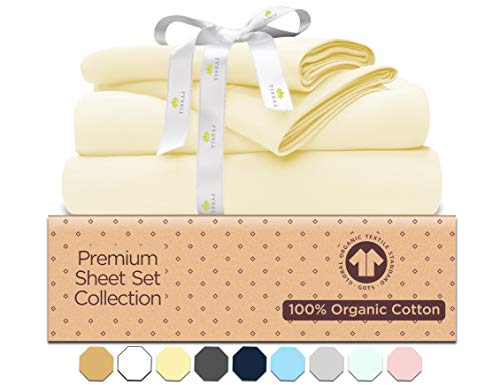
One of my clients, Sarah, suffered from severe dust allergies that were particularly problematic at night. By replacing her fabric headboard with a wooden one, swapping heavy drapes for wooden blinds, replacing wall-to-wall carpet with hardwood floors and a washable area rug, and using anti-allergen bedding covers, her nighttime symptoms improved by approximately 70% within two weeks. The bedroom, often the dustiest room in the house due to shed skin cells, can be transformed with these simple textile changes.


Foundation Strategy 2: Smart Furniture Selection and Arrangement
Not all furniture is created equal when it comes to dust accumulation. Some are hidden dust collectors, hence, design details make all the difference:
1. Low-Dust Furniture Features
- Elevated designs: Furniture with space underneath allows for complete cleaning and improves air circulation, preventing dust from settling.
- Smooth surfaces: Intricate carvings, textured surfaces, and ornate details are dust-collection superhighways. Opt for smooth, easy-to-wipe surfaces.
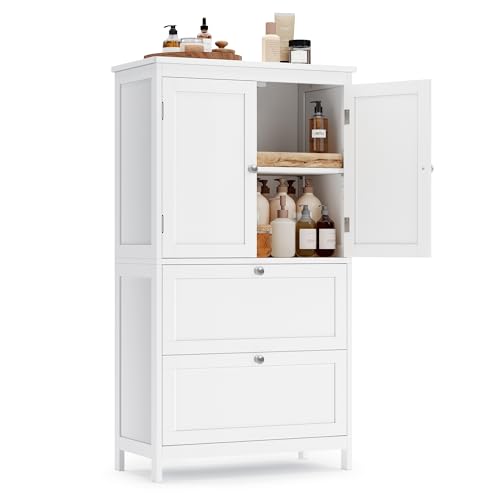
- Closed storage: Open shelving, while trendy, is a dust magnet. Closed cabinets and drawers protect contents from dust accumulation.
- Integrated design: Pieces with fewer joints, seams, and crevices offer fewer hiding places for dust.
2. Furniture Materials Hierarchy (from least to most dust-prone)
- Glass and metal: Non-porous and easiest to keep dust-free
- Sealed wood and laminate: Smooth finish resists dust accumulation
- Leather and pleather: Minimal shedding and easy to wipe down
- Fabric upholstery: Generates and collects dust consistently
3. Strategic Furniture Placement
The location of furniture affects dust accumulation in surprising ways:
- Away from air vents: Placing furniture in direct line of heating or cooling vents creates dust turbulence and uneven distribution.
- Minimizing wall contact: Leaving small gaps between furniture and walls improves air circulation and reduces dust buildup.
- Traffic flow consideration: Arranging furniture to create smooth traffic patterns reduces dust disturbance from foot traffic.
Decluttering: The Ultimate Dust-Reduction Strategy
Every object in your home represents a potential dust-collection surface. The equation is simple:
More items = more surfaces = more dust = more cleaning
The minimalist approach isn’t just an aesthetic choice—it’s a practical dust-control strategy. Consider:
- Curated display: Rotate decorative items seasonally rather than displaying everything simultaneously.
- One-in-one-out rule: For every new item brought home, remove something else.
- Value-based retention: Keep only items that serve a purpose or bring genuine joy.
- Hidden storage solutions: For necessary items that aren’t used daily, closed storage prevents dust accumulation.
The Power of Negative Space
In interior design, negative space refers to the empty areas between objects. From a dust-control perspective, negative space is your ally:
- It improves air circulation, preventing stagnant areas where dust settles
- It provides access for thorough cleaning
- It reduces the total surface area requiring dusting
- It creates visual calm, making dust that does appear more noticeable (and thus more likely to be addressed quickly)

Foundation Strategy 3: Air Quality Engineering
While source reduction (minimizing dust-creating elements) is foundational, filtration is how we capture the inevitable dust that does form.
1. HVAC System Optimization
Your home’s heating and cooling system can be your greatest ally or worst enemy in dust control:
- High-performance filters: Upgrade to MERV 11-13 filters, which capture significantly more dust particles than standard options.
- Regular replacement: Even the best filter becomes ineffective when clogged. Set calendar reminders for replacement every 60-90 days.
- Sealed ductwork: Leaky ducts are dust highways. Professional duct sealing can reduce dust circulation by up to 30%.
- Professional cleaning: Every 3-5 years, have ductwork professionally cleaned to remove accumulated dust reservoirs.
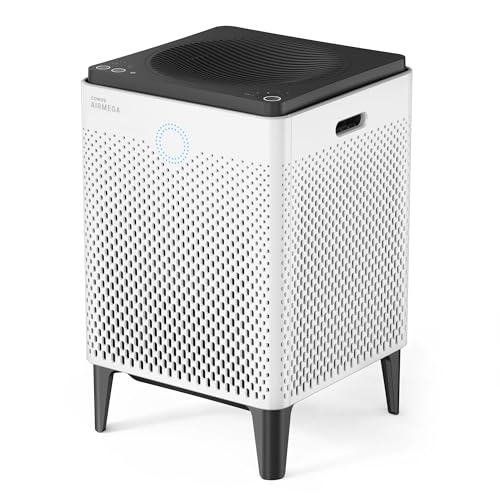
2. Strategic Air Purifier Placement
Not all rooms are created equal when it comes to dust production. Place air purifiers in:
- Bedrooms: Where we spend ⅓ of our lives and shed significant skin cells
- Living areas: High-traffic zones with frequent activity
- Home offices: Particularly if they contain paper or electronic equipment (which attract dust via static electricity)
For maximum effectiveness, look for purifiers with:
- HEPA filtration (capturing 99.97% of particles 0.3 microns or larger)
- Air change rates appropriate for your room size
- Low noise levels (so you’ll actually use them)
3. Humidity Control: The Overlooked Dust Factor
Dust thrives in certain humidity conditions:
- Too dry: Dust becomes more airborne and static electricity increases, attracting particles to surfaces
- Too humid: Dust mites proliferate and mold may develop
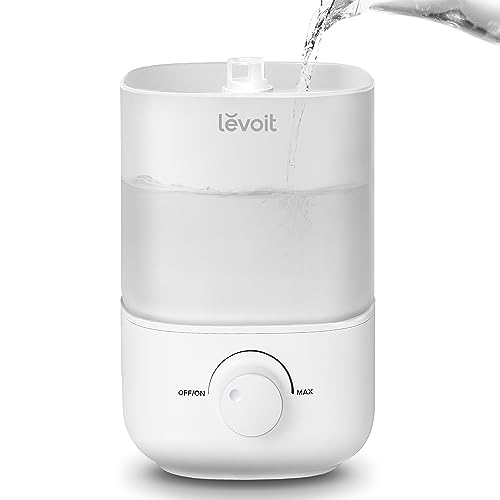
The sweet spot is 40-50% relative humidity. Consider:
- Whole-home humidifiers/dehumidifiers: Integrated with your HVAC system for consistent control
- Room-specific units: For problem areas or seasonal adjustment
- Humidity monitoring: Simple hygrometers help maintain optimal levels
4. Advanced Air Management Techniques
For those with severe dust sensitivities or simply seeking the ultimate dust-free environment:
- Positive pressure systems: Creating slightly higher air pressure inside than outside prevents dust infiltration
- Air exchange systems: Controlled ventilation that brings in filtered outside air
- Electrostatic precipitators: Advanced filtration technology that charges and captures even microscopic particles
Foundation Strategy 4: Cleaning Optimization
While our goal is reducing the need for constant cleaning, optimizing your approach makes a significant difference.
1. Tools That Actually Work:
Not all cleaning implements are created equal for dust removal:
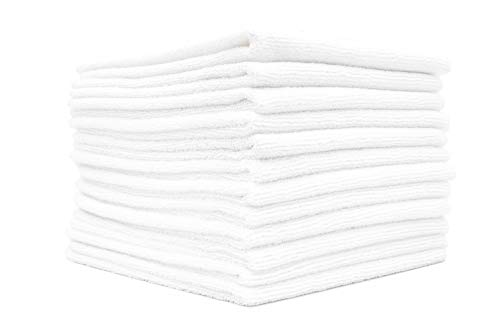
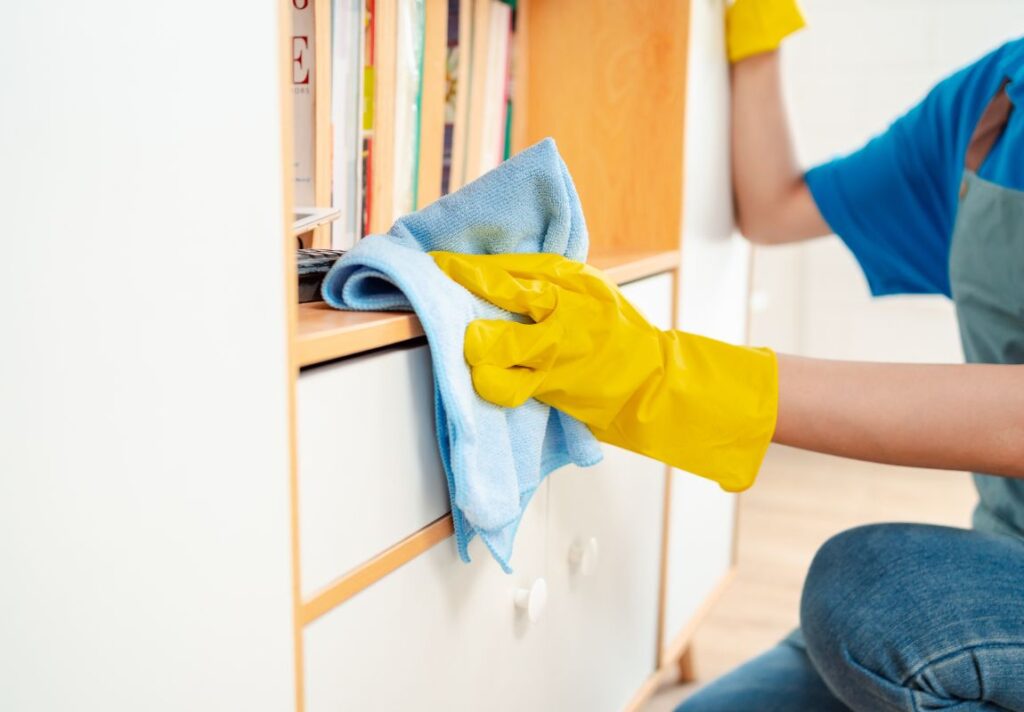
- Microfiber cloths: Capture dust through electrostatic attraction rather than spreading it around
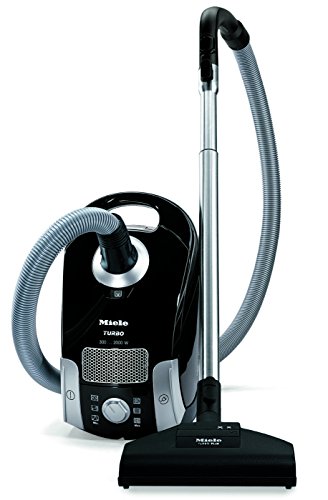
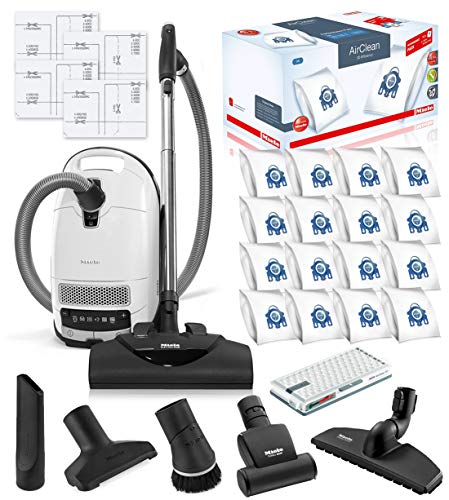
- HEPA-filtered vacuum cleaners: Prevent dust recirculation that occurs with standard vacuums
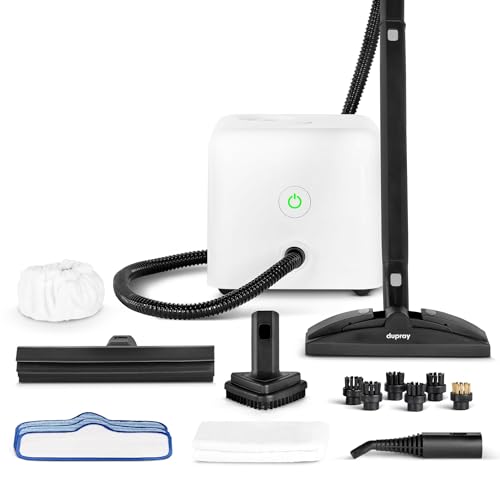
- Steam cleaners: Kill dust mites and remove embedded dust without chemicals
- Extension tools: Allow cleaning of ceiling fans, high shelves, and other typical dust collection points

2. The Cleaning Sequence That Changes Everything
The order of cleaning tasks significantly impacts dust control:
- Top-down approach: Always start with ceiling fans, high shelves, and work downward
- Begin at the furthest point from the exit: This prevents re-contaminating cleaned areas
- Vacuum last: After dust has been allowed to settle from higher cleaning activities
3. Maintenance Scheduling That Actually Works
Rather than sporadic deep cleans, establish a sustainable rotation:
- Daily quick-maintenance: 5-10 minute focus on high-impact areas
- Weekly zone cleaning: Deeper attention to specific rooms on a rotating schedule
- Monthly specialized tasks: Air vent cleaning, behind furniture, etc.
- Seasonal deep cleaning: Windows, curtains, upholstery, etc.
This approach prevents dust buildup while making the task manageable.
Specialized Solutions for Problem Areas
The Bedroom Dust Sanctuary
As mentioned earlier, bedrooms deserve special attention:
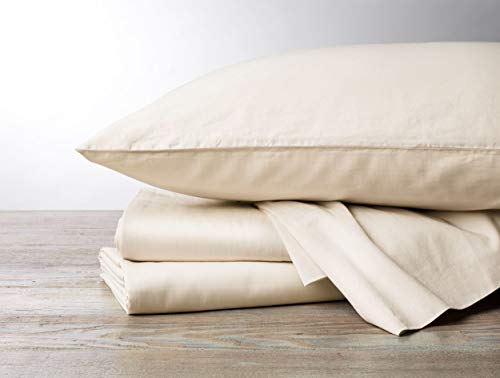
- Encasement protectors: Mattress and pillow covers that prevent dust mite colonization and skin cell dispersal
- Bedding material choices: Natural fibers like cotton and linen gather less dust than synthetics
- Washing protocols: Hot water (130°F+) weekly washing eliminates dust mites
- Bedroom-specific filtration: Consider a dedicated air purifier specifically for sleeping spaces
Electronics and Home Office Dust Management
Electronic equipment creates unique dust challenges due to:
- Fan systems that circulate air (and dust)
- Static electricity that actively attracts particles
- Heat generation that creates convection currents
Solutions include:
- Anti-static treatments: Specialized sprays and wipes that reduce electrical charge
- Protective covers: For equipment during inactive periods
- Cable management: Reducing floor-level cables where dust accumulates
- Regular compressed air cleaning: To prevent internal component dust buildup
Pet-Friendly, Dust-Minimizing Strategies
For animal lovers, complete dust elimination is more challenging but still achievable:
- Dedicated pet grooming area: Containing fur during brushing sessions
- Washable pet bedding: Regular cleaning of pet sleeping areas
- HEPA-filtered pet vacuums: Specialized for handling fur and dander
- Pet-accessible furniture choices: Leather or similar wipe-clean surfaces rather than fabric
The Psychology of Dust: Perception and Reality
An often-overlooked aspect of dust control is how we perceive cleanliness in our spaces:
Visual Dust Triggers
Certain design elements make dust more noticeable (for better or worse):
- Dark, glossy surfaces: Show every speck (good for awareness, bad for peace of mind)
- Contrasting colors: Make dust more visible than monochromatic schemes
- Direct sunlight patterns: Highlight airborne and surface dust
The Cleaning Threshold Concept
Each person has a “cleaning threshold”—the level of visible dust that triggers cleaning action. By understanding yours, you can design spaces that:
- Make dust visible enough to address before it becomes problematic
- Don’t constantly highlight minor dust, creating cleaning anxiety
- Create “visual rest areas” where dust is less apparent for psychological breaks
Implementation Plan: Your 30-Day Dust Transformation
Transforming your home into a low-dust environment doesn’t happen overnight. Here’s a structured approach:
Week 1: Assessment and Planning
- Identify primary dust sources in your home
- Document current dust accumulation patterns
- Research specific solutions for your space
- Create a budget and prioritization list
Week 2: Quick Wins Implementation
- Upgrade HVAC filters
- Remove highest-dust textiles
- Implement cleaning sequence changes
- Begin decluttering process
Week 3: Intermediate Changes
- Make furniture adjustments
- Install bedroom dust-control measures
- Optimize humidity levels
- Enhance cleaning tools
Week 4: Long-Term Strategy
- Plan major design changes as budget allows
- Create sustainable cleaning rotation
- Establish monitoring system
- Consider professional interventions for problem areas
Cost-Benefit Analysis: Where to Invest for Maximum Impact
Not all dust-control strategies are created equal in terms of investment versus reward:
Highest ROI Interventions
- HVAC filter upgrades (low cost, high impact)
- Decluttering (free, significant impact)
- Cleaning tool optimization (moderate cost, high impact)
- Bedding encasements (low cost, major health benefits)
Mid-Range Value Investments
- Air purifiers for key rooms
- Furniture replacement (as needed)
- Professional duct cleaning
- Storage solutions
Long-Term Considerations
- Flooring changes
- Window treatment upgrades
- HVAC system improvements
- Specialized room modifications

Conclusion: Beyond Dust Control to Healthy Living
The pursuit of a dust-free home goes beyond aesthetics or reducing cleaning time. It represents a fundamental shift toward healthier living spaces that:
- Support respiratory health
- Reduce allergy triggers
- Create psychological calm through visual order
- Minimize exposure to potentially harmful particles
By implementing the strategies outlined in this guide—minimizing dust-collecting textiles, making smart furniture choices, engineering your air quality, and optimizing cleaning approaches—you can transform your relationship with household dust from an endless battle to a manageable, occasional maintenance task.
Read Also: Natural Homemade Furniture Polish Recipe
Remember that perfection isn’t the goal; substantial improvement is. Even reducing dust by 70-80% can make a remarkable difference in how your home feels, how often you need to clean, and potentially even how you feel physically in your space.
The dust-free home isn’t a myth. It’s an achievable reality through thoughtful design choices and systematic approaches. Your journey toward dramatically reduced dust begins with the first strategic change—which one will you implement today?
About the Author: Diana Wells is an interior architect specializing in healthy home design with over 15 years of experience creating spaces for clients with environmental sensitivities and allergies. She holds certifications in Indoor Air Quality Management and Sustainable Interior Design, and her work has been featured in Dwell, Good Housekeeping, and Architectural Digest. Diana’s approach combines evidence-based practices with beautiful, livable design solutions.
References and Further Reading:
- American Lung Association. (2023). “Indoor Air Pollutants and Health.”
- Journal of Environmental Health. (2022). “Household Dust Composition and Health Implications.”
- International Journal of Environmental Research. (2021). “Textile Choices and Indoor Air Quality.”
- Harvard T.H. Chan School of Public Health. (2020). “Healthy Buildings Program Research.”
- Environmental Protection Agency. (2023). “Guide to Indoor Air Quality.”
- Maxwell, S. (2024). “The Impact of Design Choices on Household Dust Levels.” Environmental Design Quarterly.
- National Association of Home Builders. (2022). “Building Materials and Indoor Air Quality.”
- Journal of Allergy and Clinical Immunology. (2023). “Home Interventions for Allergic Disease Management.”
Share on Pinterest ❤️
